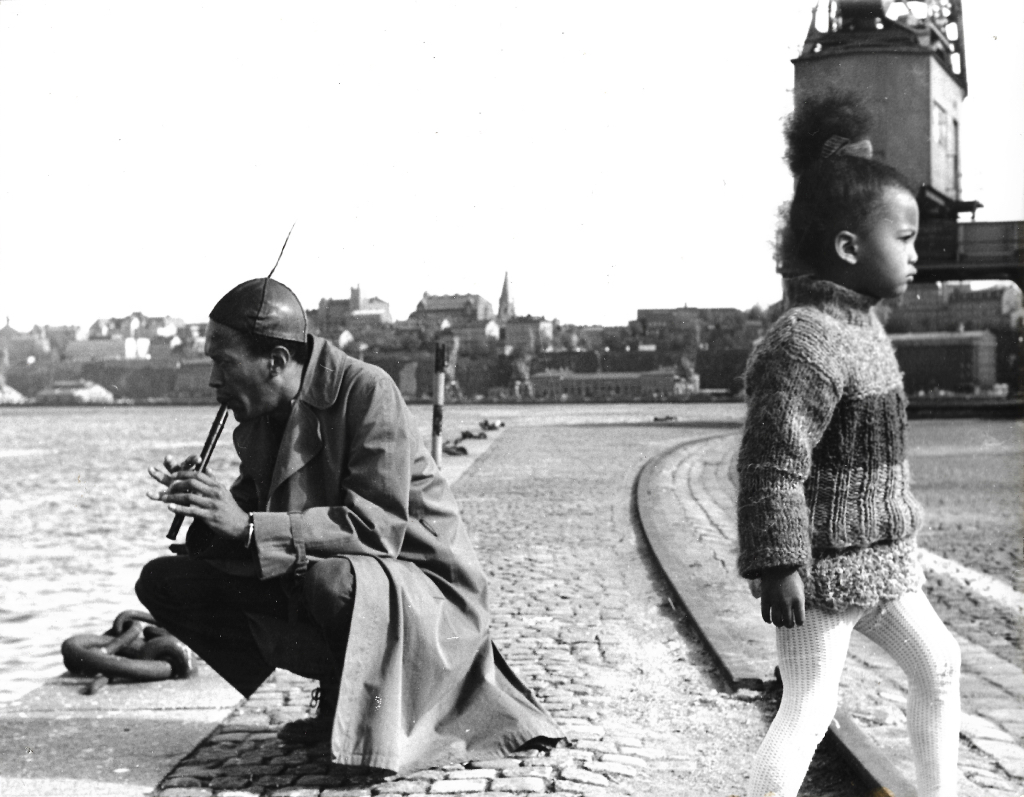
It is 1969. American jazz trumpeter Don Cherry meets South African bassist Johnny Dyani in Sweden. Two years later, Cherry, Dyani and the Turkish percussionist and drummer Okay Temiz take the stage in Paris for a live performance that becomes the album Blue Lake. Charged with the spirit of improvisation, Blue Lake plays like a raw meditation — urgent, unfiltered, alive.
Years later, the Johnny Dyani Quartet records Song for Biko in Copenhagen. It is a rallying cry for Steve Biko, the South African activist who was assassinated by the apartheid government in 1977. Cherry’s trumpet threads through the piece, accompanying it with melodic, unbound emotional resonance. In the wake of the 1960s Black Civil Rights movement, the wave of African independence and the rise of Pan-African solidarity, Cherry and Dyani are intertwined through sound. Their collaboration is one of many meetings of Black life.
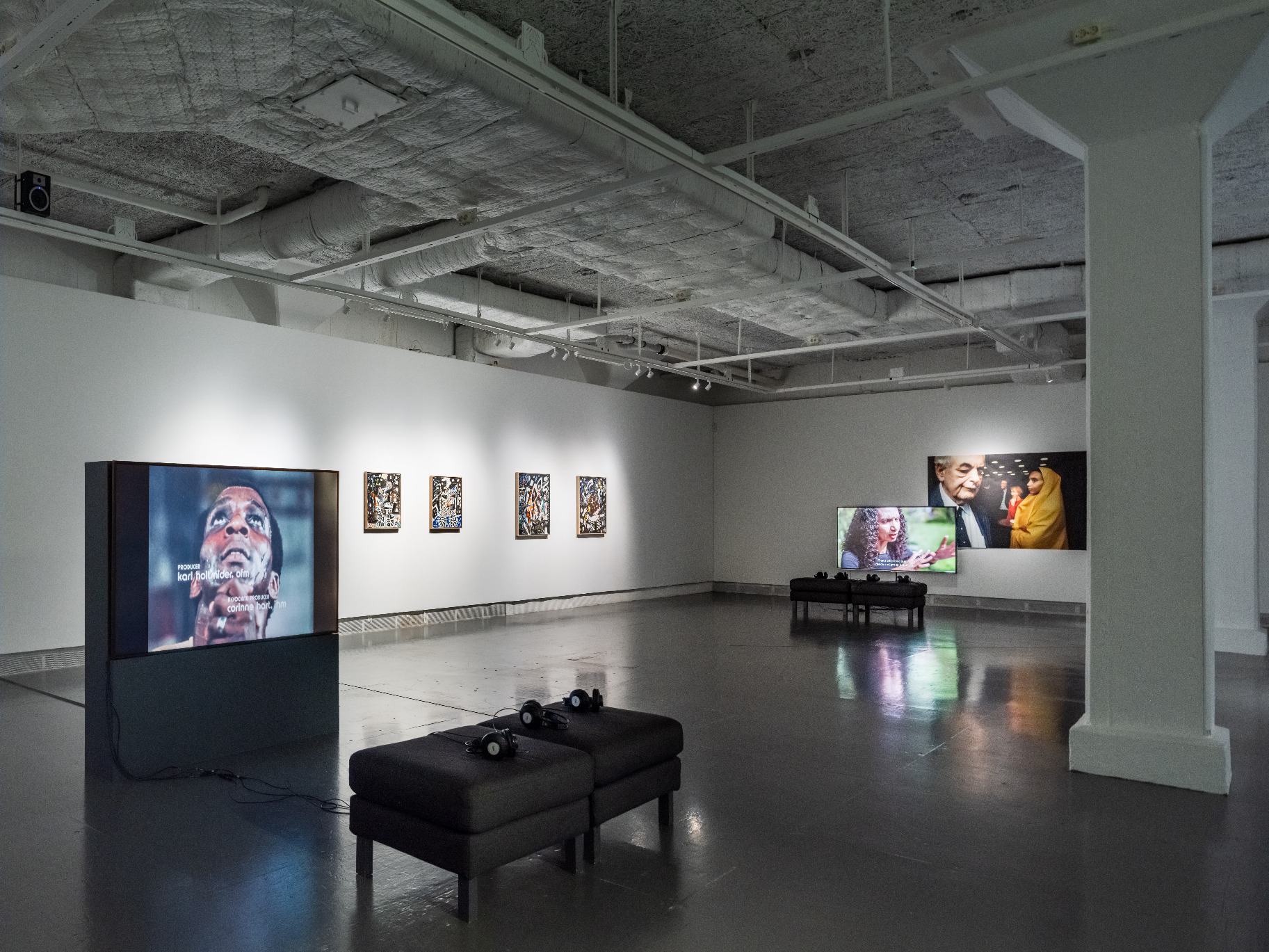
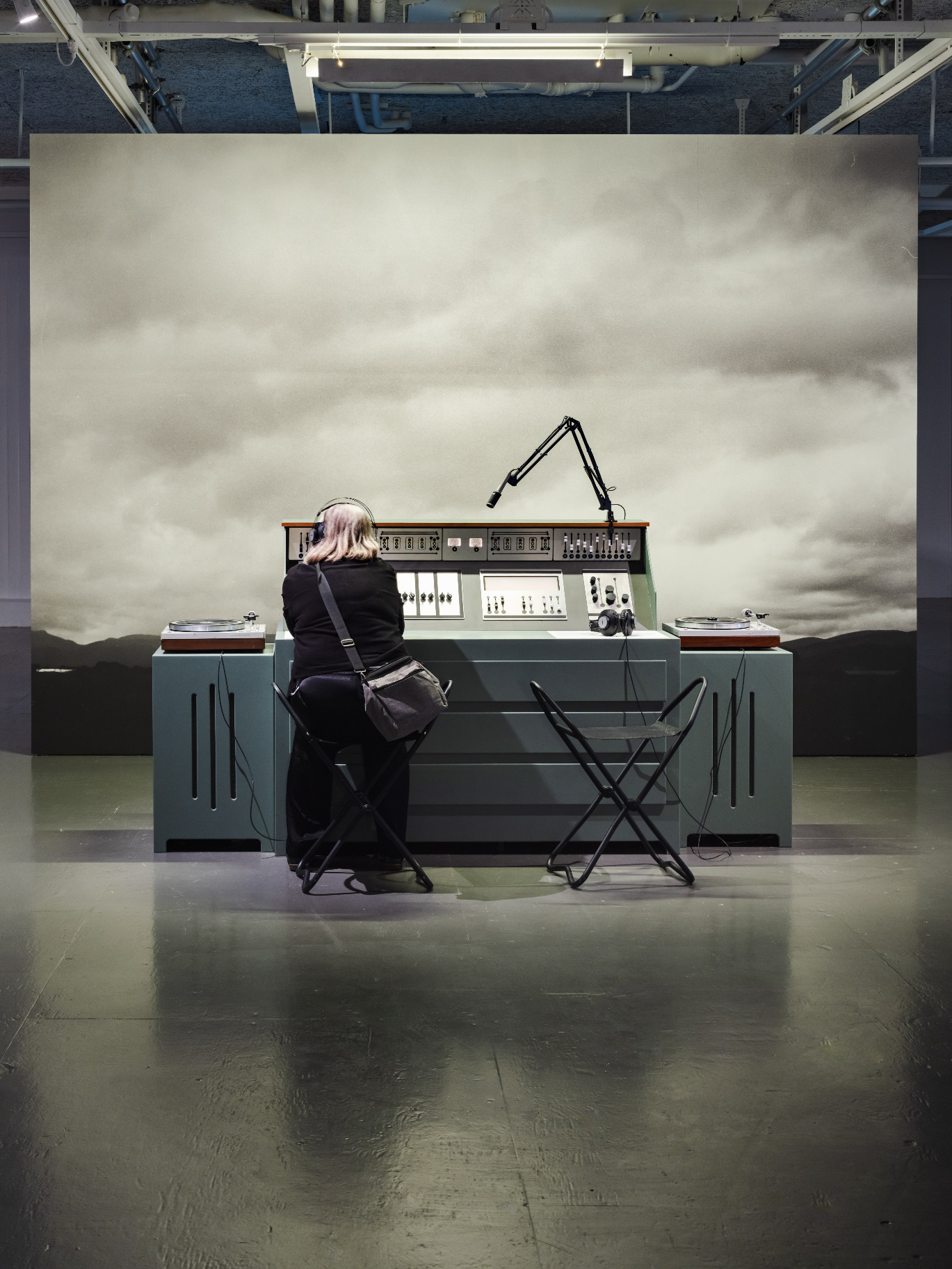
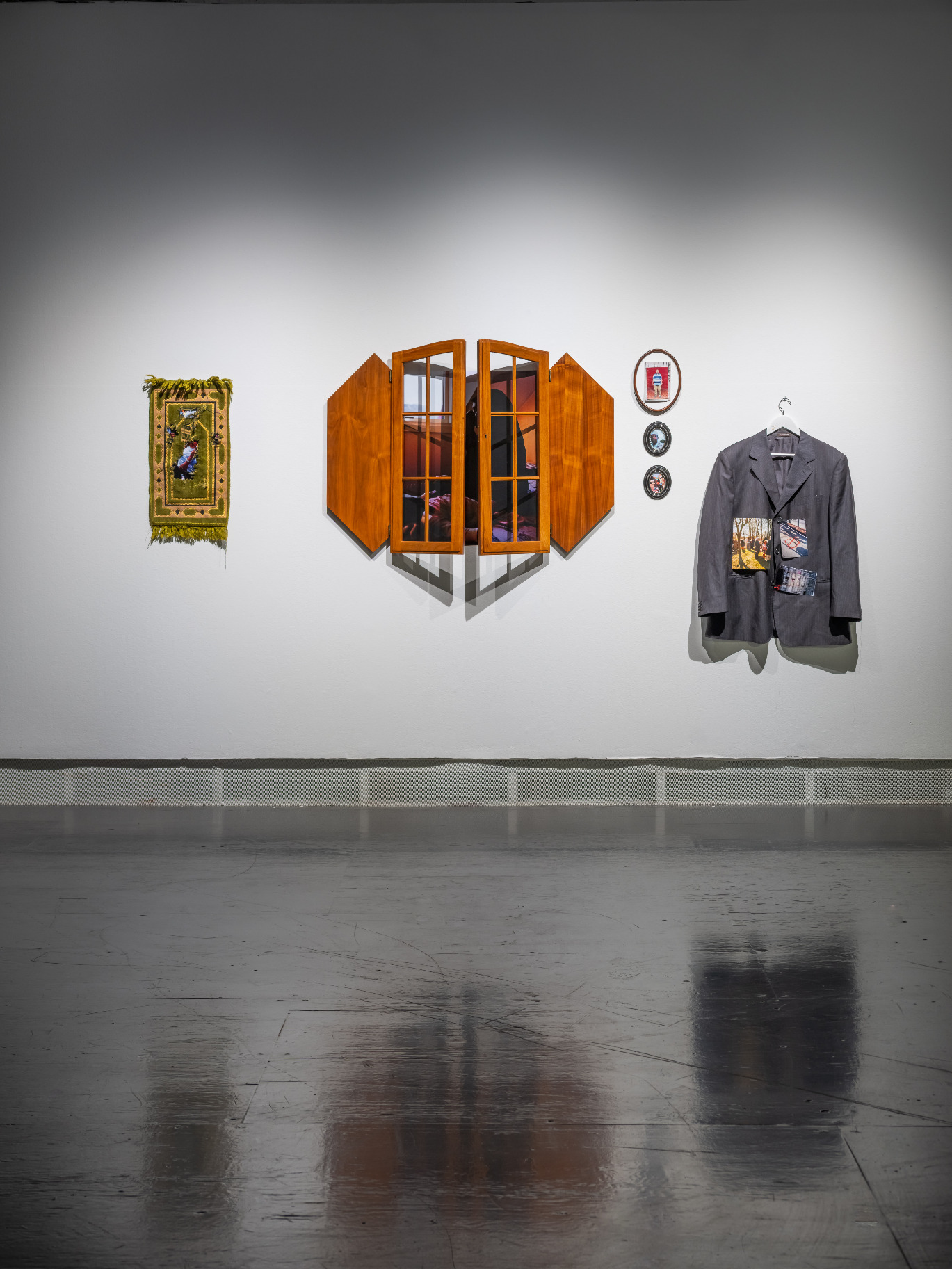
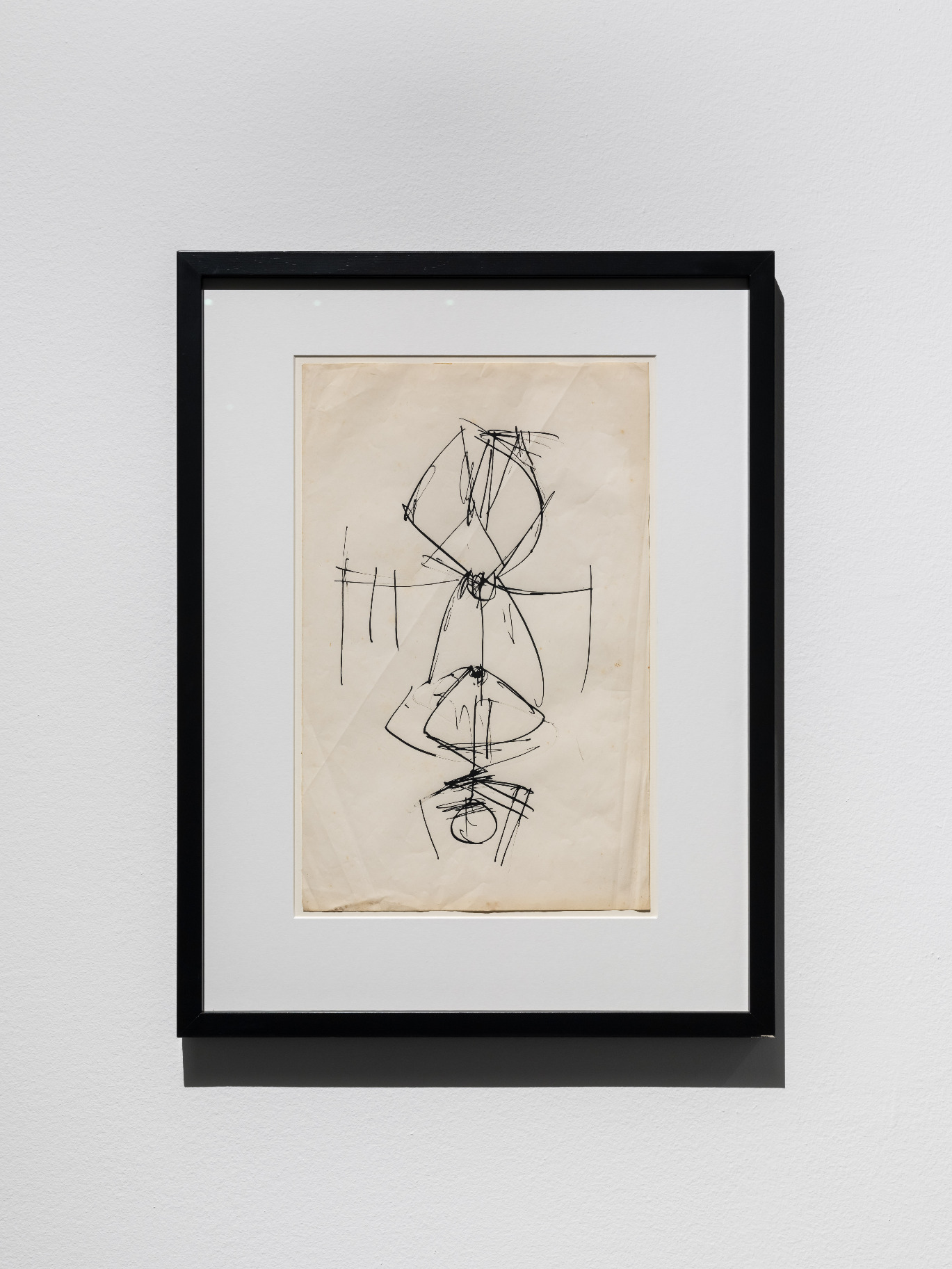
Remnants begins here. What lingers in the archive? What breaths of Black life persist in its folds? What are the aural, visual, and tactile traces that hold both beauty and tension? Remnants pulls together a poetic constellation of gestures by living and departed artists, where pasts and presents meet in chorus. In the exhibition, we encounter works that resonate with historical memory, resistance, improvisation, and the lived experiences of diaspora and exile. Together, they unfold through the rhythm and sound of jazz music.
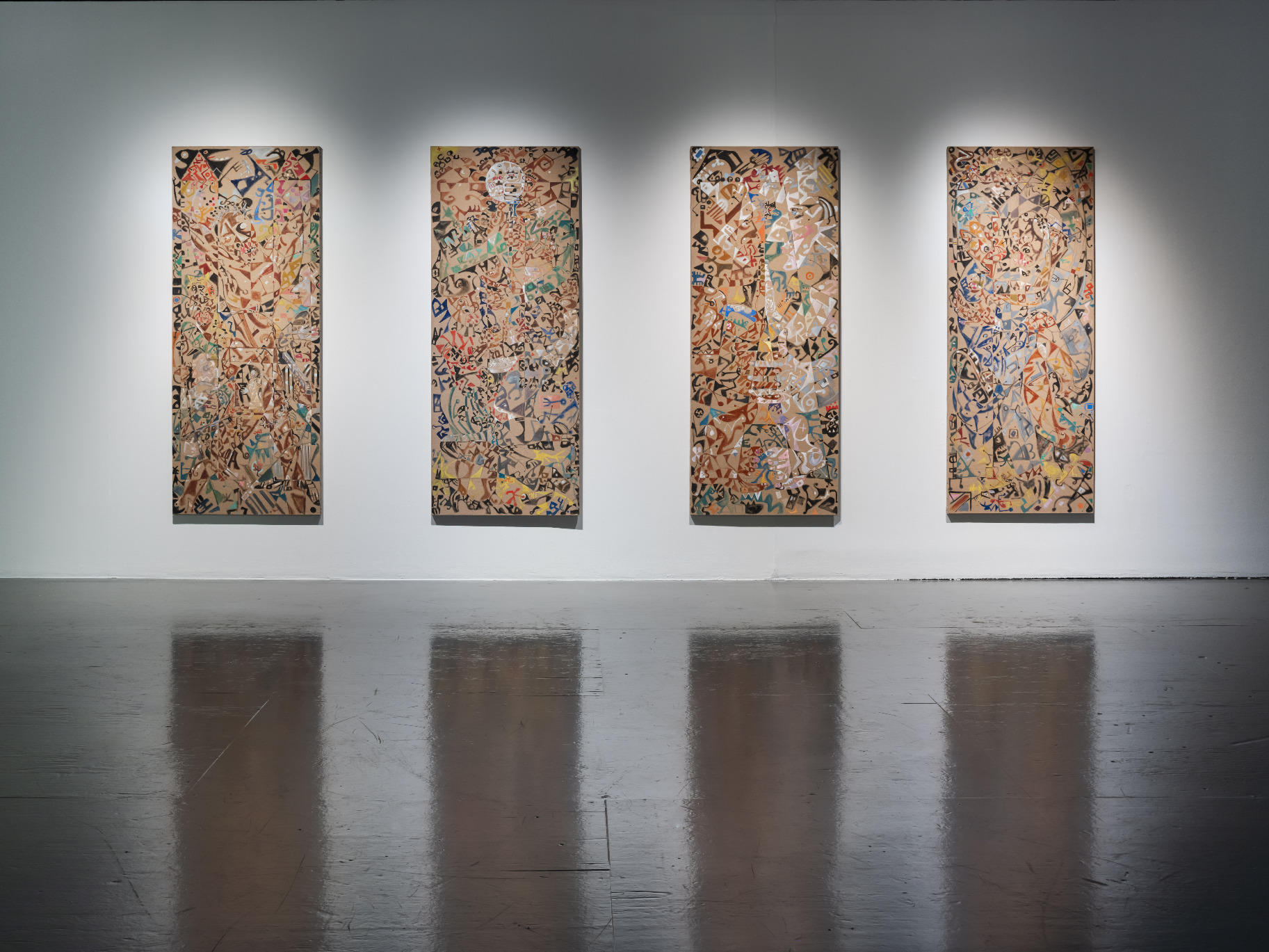
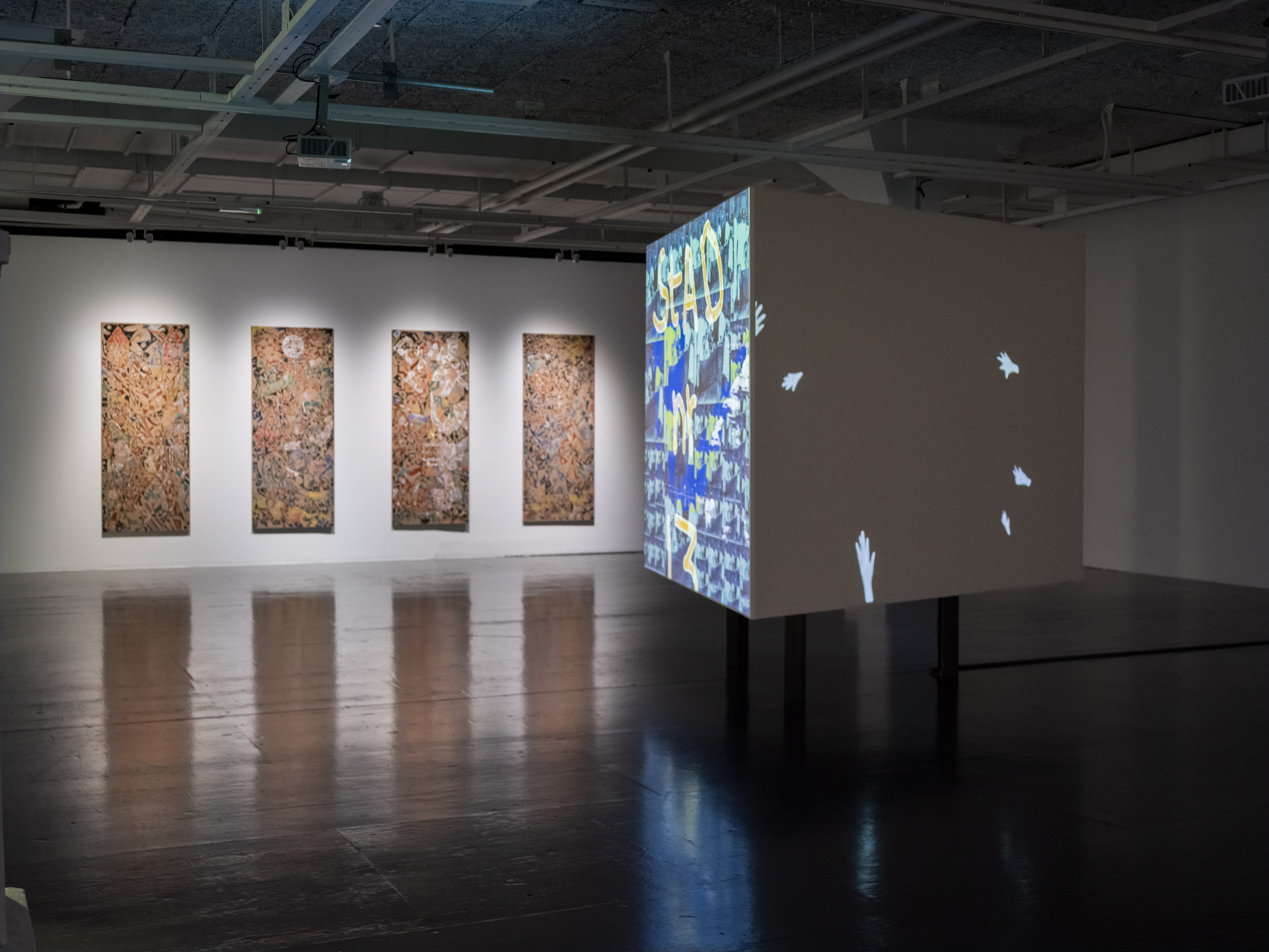
Kudzanai Chiurai stages an iteration of The Library of Things We Forgot to Remember, an audiovisual archive of Black resistance, collaboration and solidarity across the African continent and beyond. Wonga Mancoba’s paintings capture the bustling streets of Johannesburg, a city he had heard about throughout his life and first visited in 1994, following the end of apartheid, together with his father, the artist Ernest Mancoba. In Remnants, their works stand together in symbiotic dialogue.
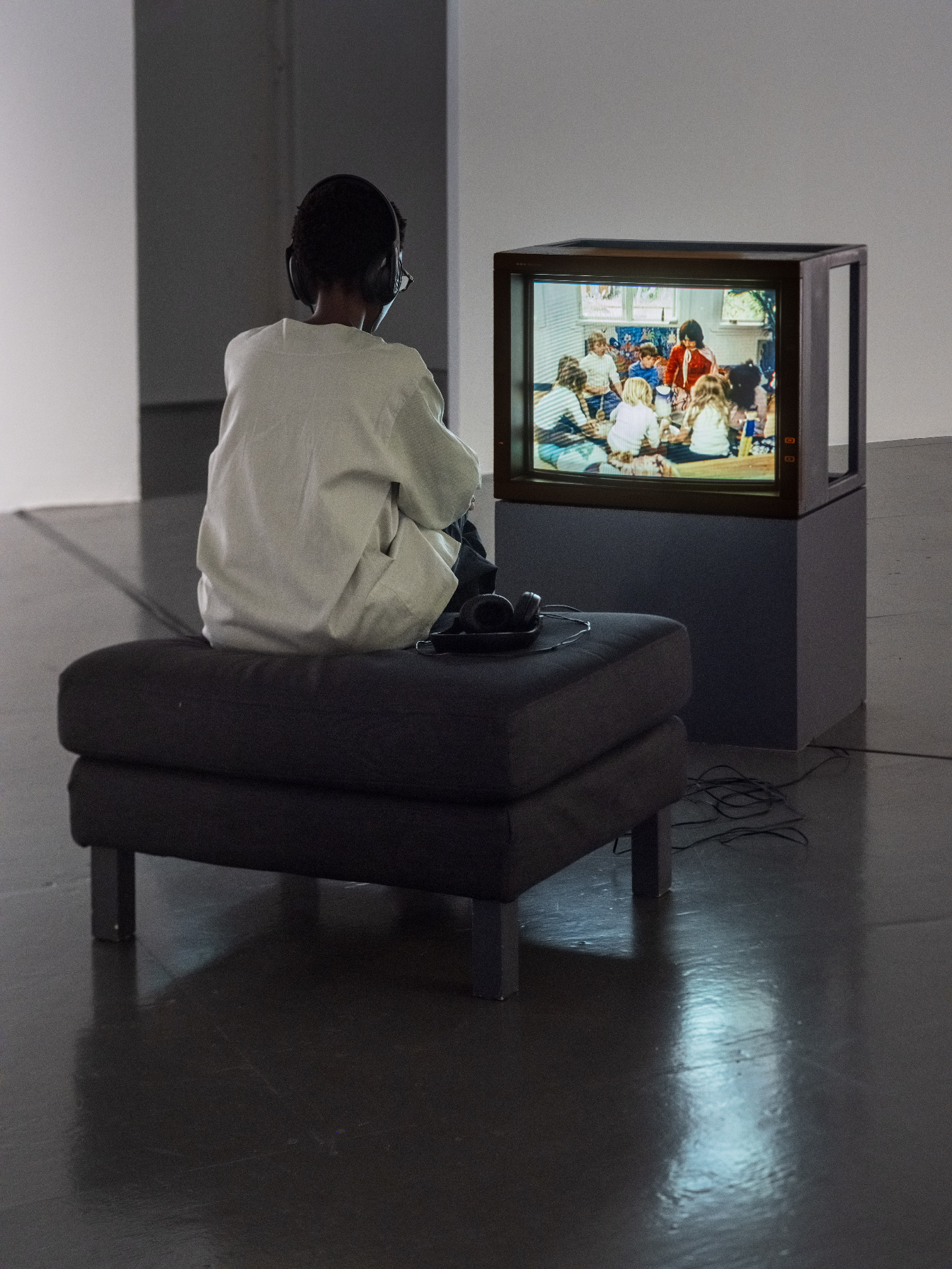
The documentary video Dancing Prophet (1971) is a lyrical meditation on dancer and choreographer Doug Crutchfield’s pursuit of freedom through contemporary dance, but also a reminder that the archival only reveals fragments. Crutchfield’s queerness, his navigation of racial and spiritual borders, and his imprint on Nordic performance linger in silence.
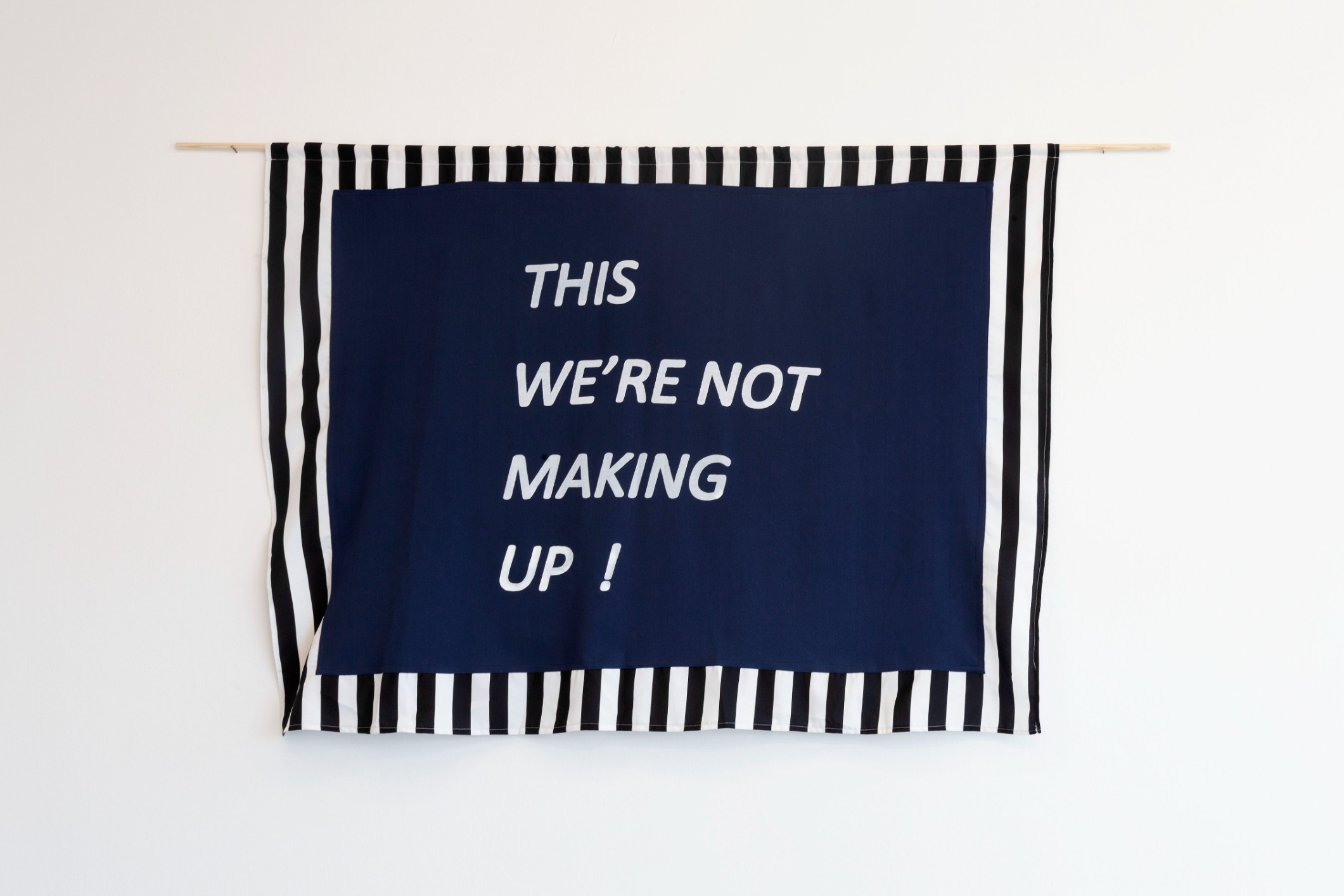
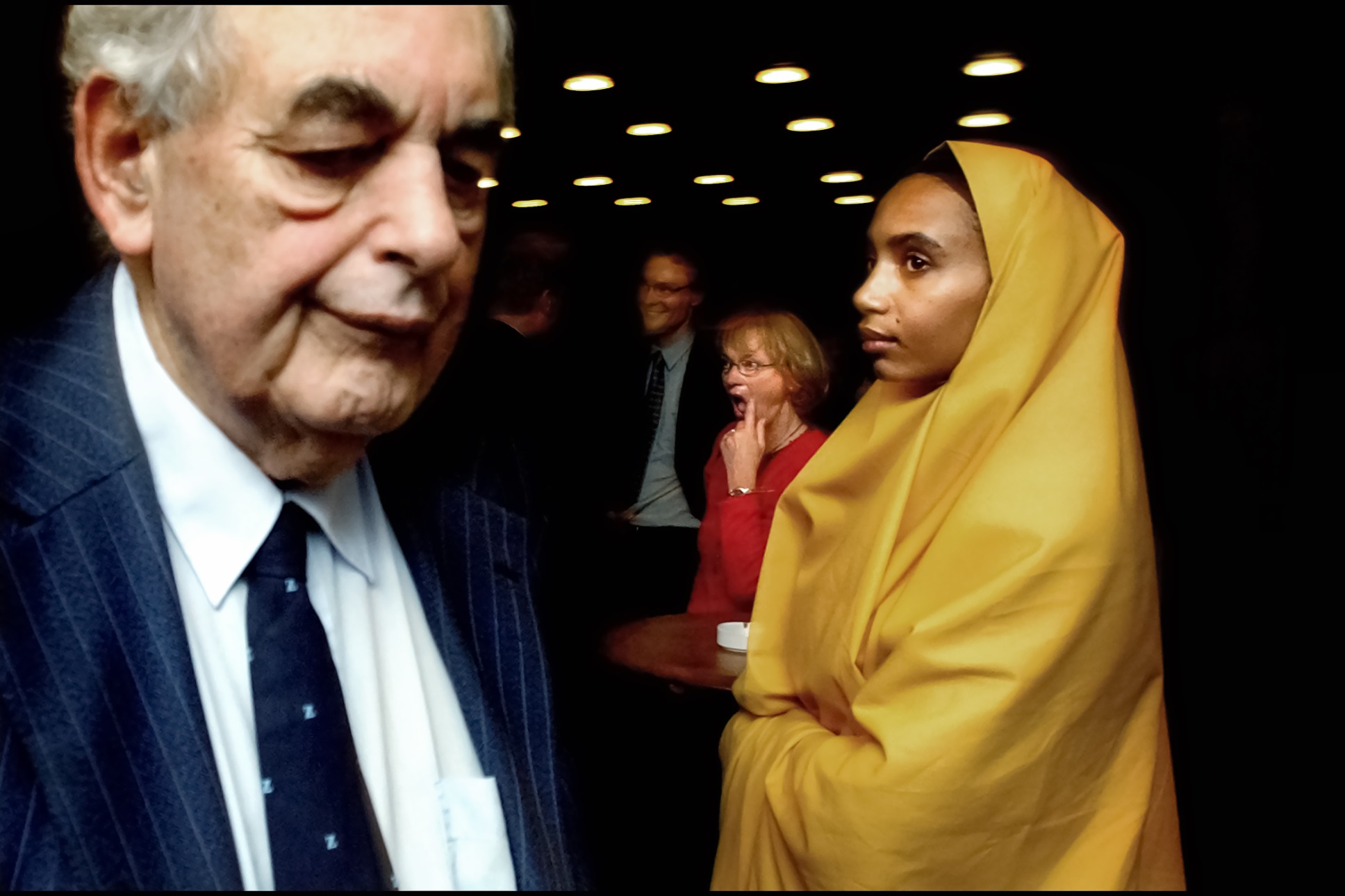
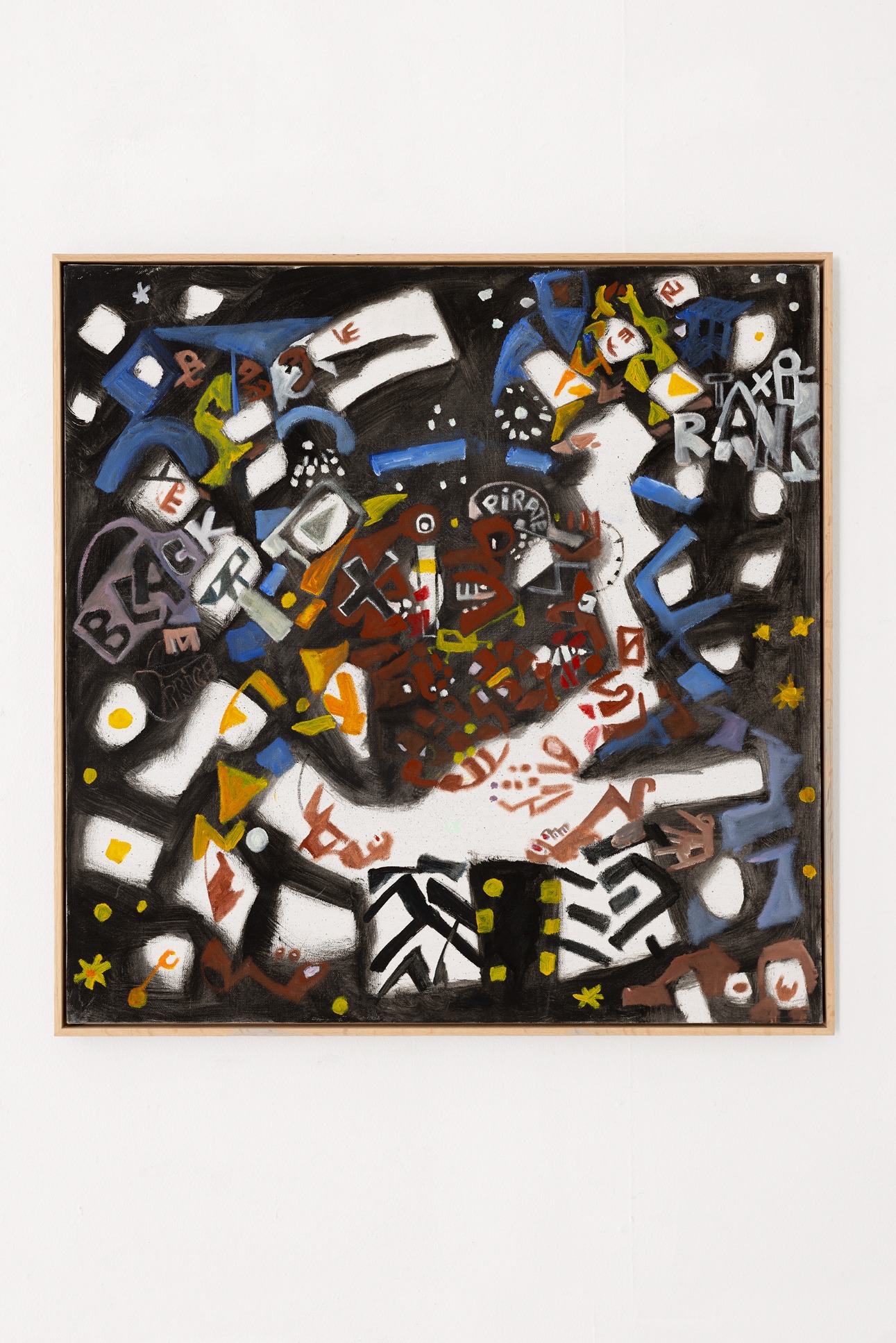
Simnikiwe Buhlungu interrogates language as a flexible and evolving medium, open to transformation and reinterpretation. Interested in processes of knowledge production — how it is produced, by whom and how it is disseminated — Buhlungu invites reflection on how language shapes understandings of (Black) life and history. Nina Cramer and Ellen Nyman revisit SPACECAMPAIGN, and the much-discussed performance staged by Nyman in 2001 outside the Danish Parliament in the context of a national election. Revisiting the project 25 years later, in a period marked by ongoing debates around borders, belonging, and politics, SPACECAMPAIGN reverberates in the present.
Ikram Abdulkadir turns a precise and thoughtful lens to everyday public and domestic settings in Malmö and beyond, foregrounding intimate moments of lived experience. For Salad Hilowle, the archive is not a repository of completed stories; with a delicate touch, he brings characters and narratives to life in the video Waiting for Something Part II (2025), opening up new interpretations of the past and possible future readings by letting personal and collective histories meet.
Curated by Tawanda Appiah and Cecilia Widenheim. The exhibition had its first iteration in 2025 at HEIRLOOM – center for art and archives in Copenhagen.
Image: This We're Not Making Up!, Simnikiwe Buhlungu, 2017.
Remnants
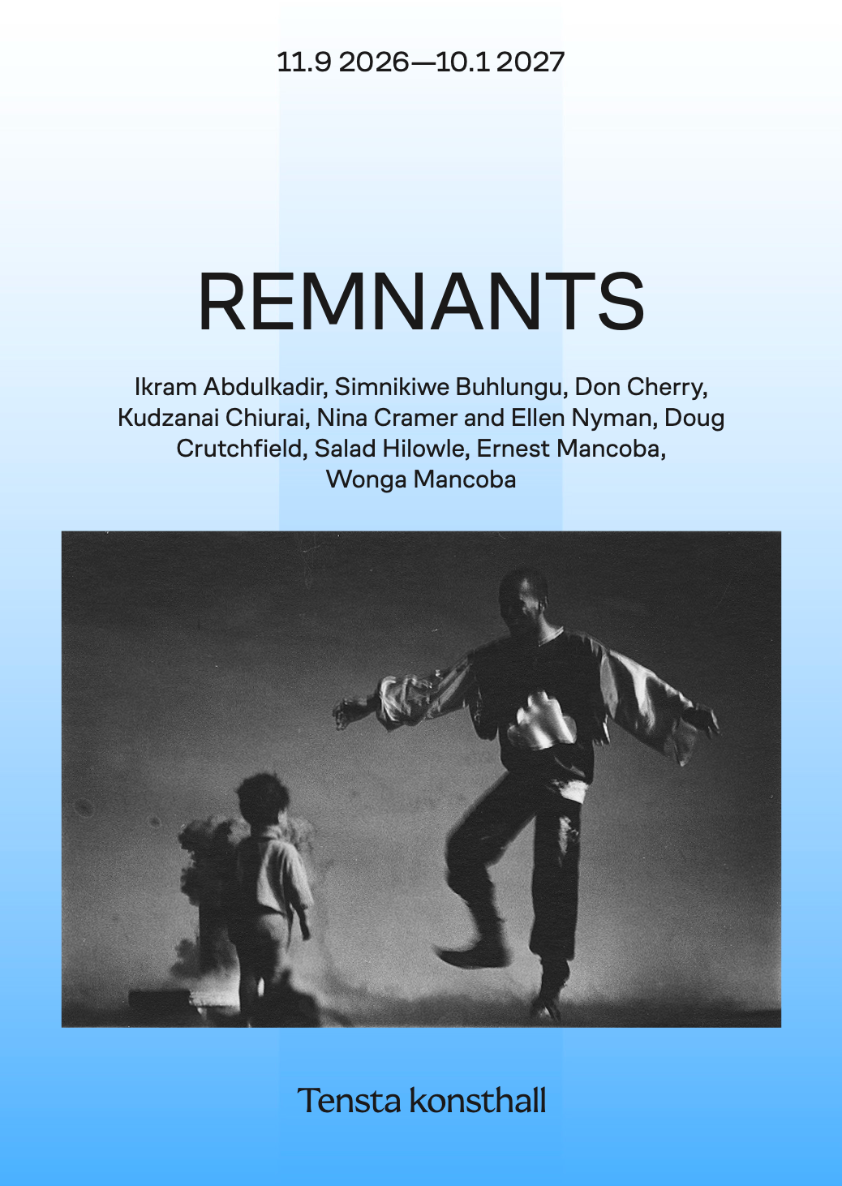
Ikram Abdulkadir, Simnikiwe Buhlungu, Don Cherry, Kudzanai Chiurai, Nina Cramer and Ellen Nyman, Doug Crutchfield, Salad Hilowle, Ernest Mancoba, Wonga Mancoba
11.9 2026—10.1 2027
Remnants pulls together a poetic constellation of gestures by living and departed artists, where pasts and presents meet in chorus. In the exhibition, we encounter works that resonate with historical memory, resistance, and the lived experiences of diaspora and exile. Together, they unfold through the rhythm and sound of jazz.
Read more ↓
Read more ↓
On until
10.1 2027Opens
11.9 2026
10.1 2027Opens
11.9 2026
Wed-Fri 11-17, Sat-Sun 12-17