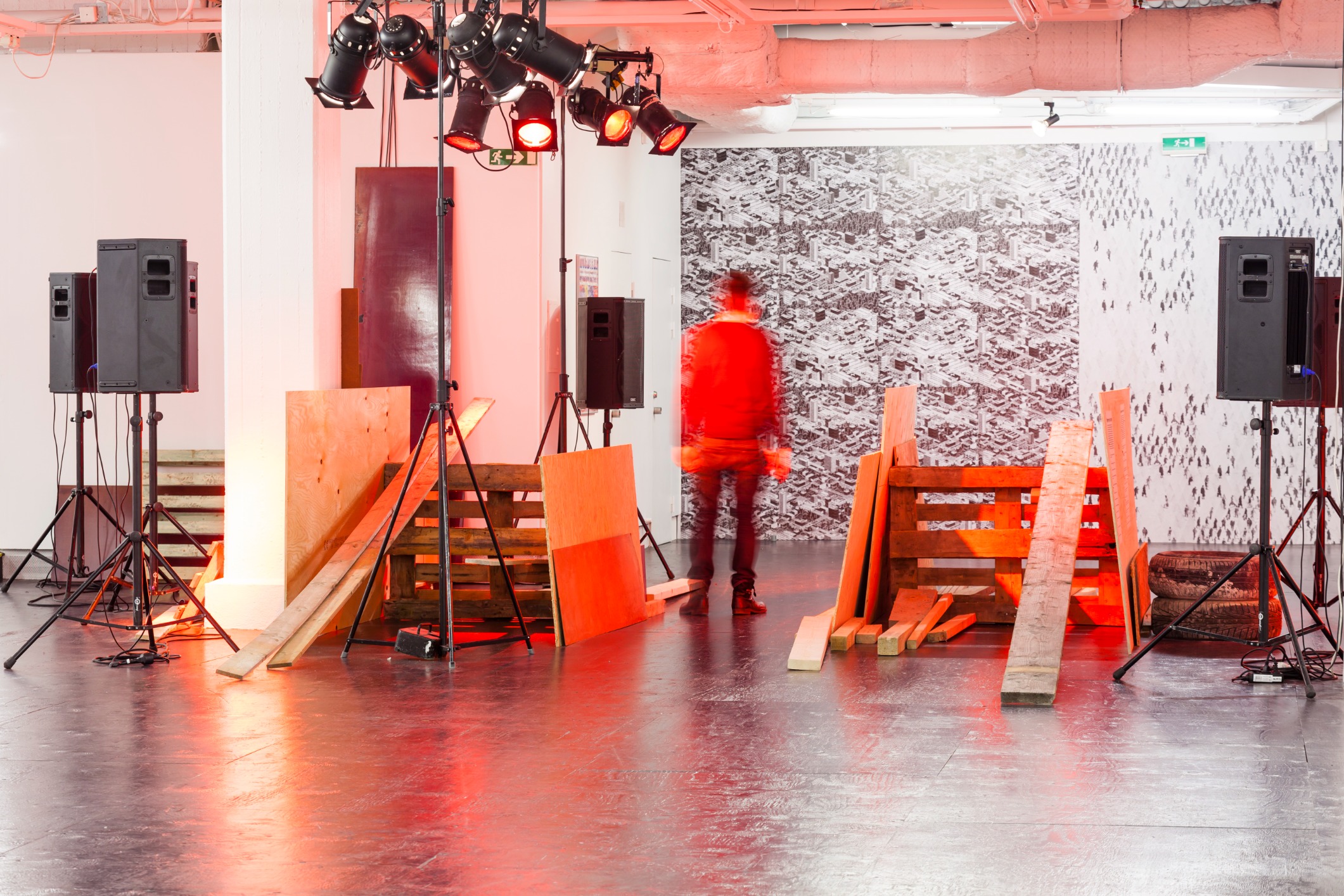

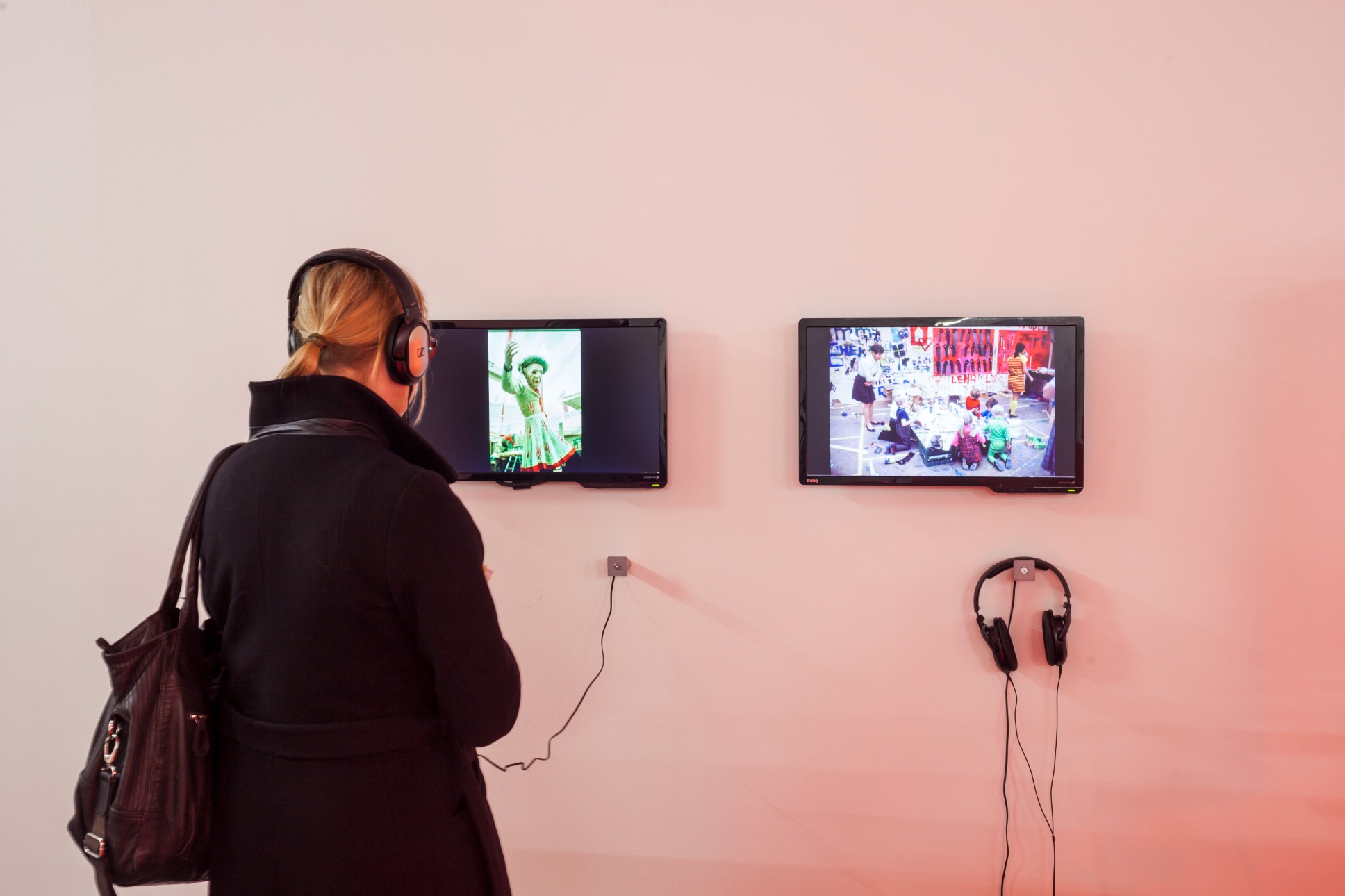


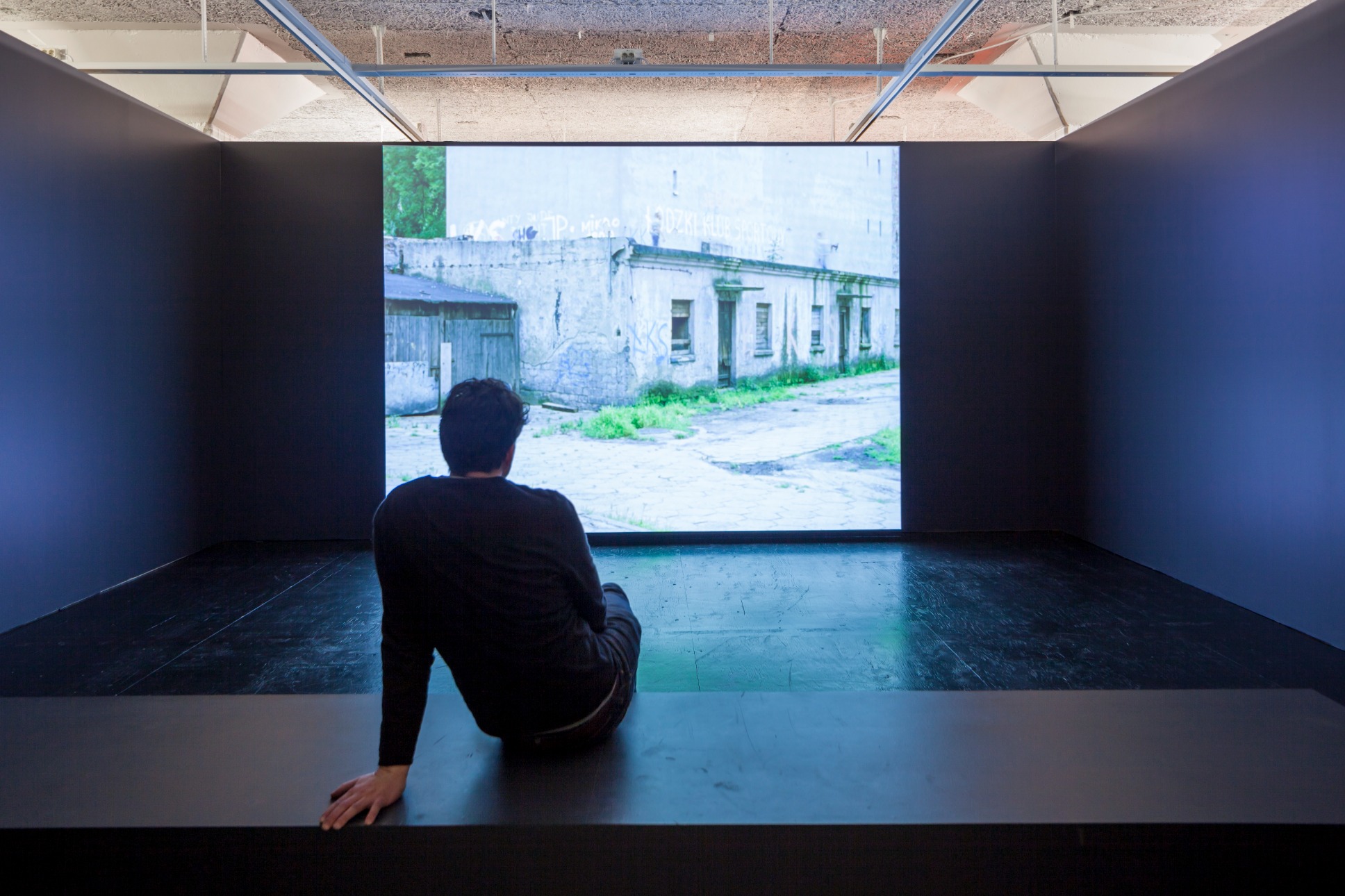
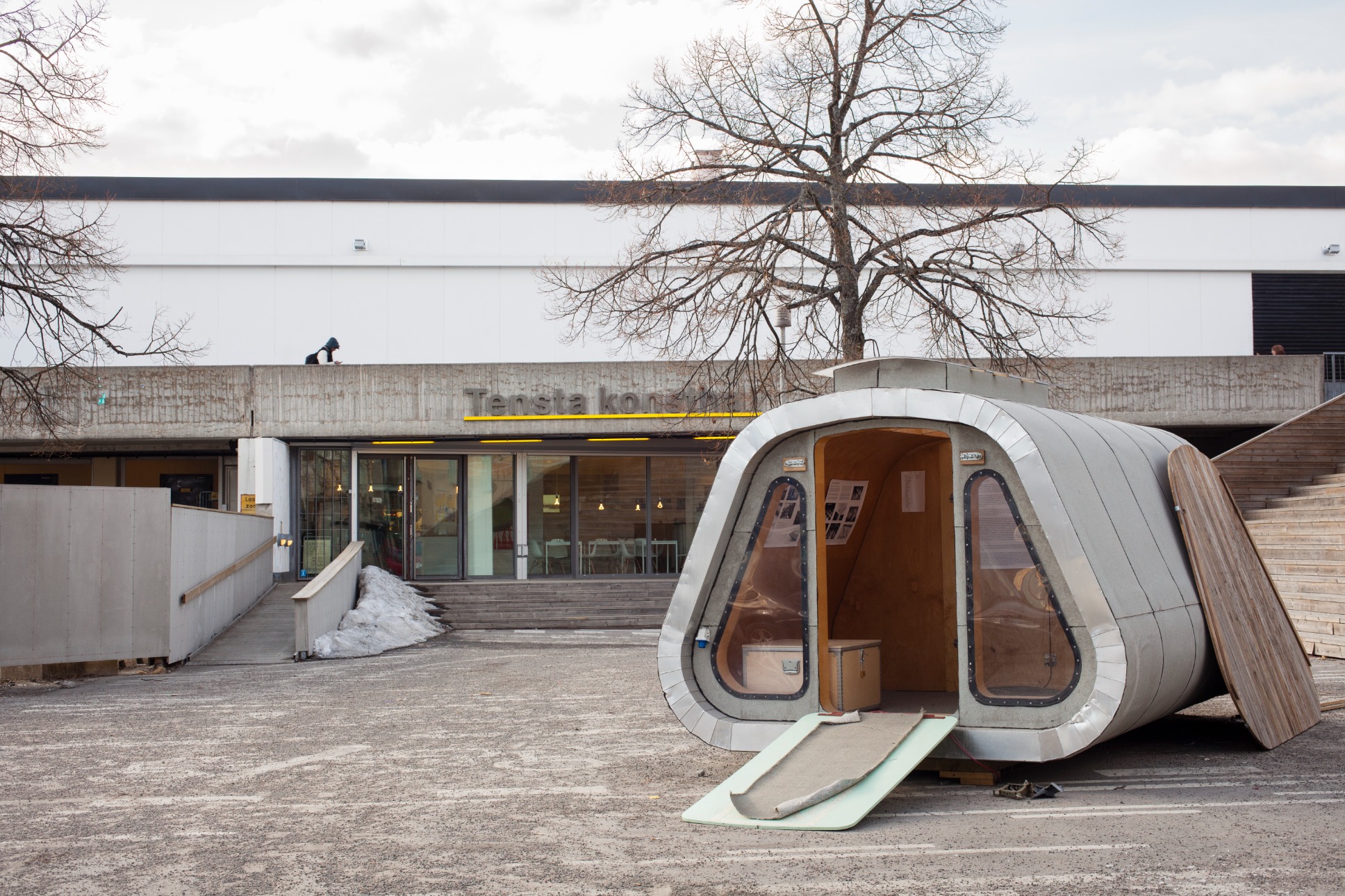

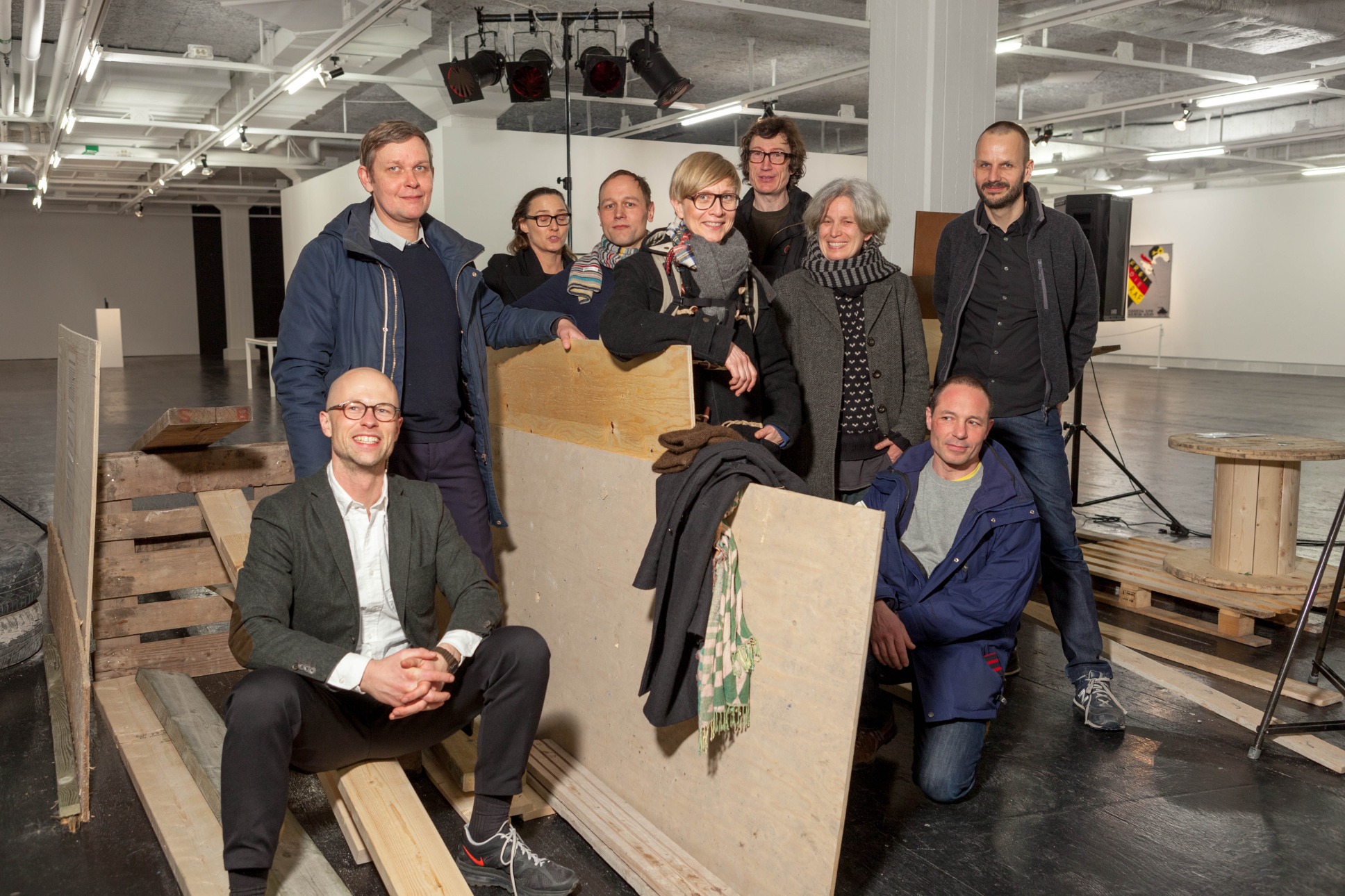
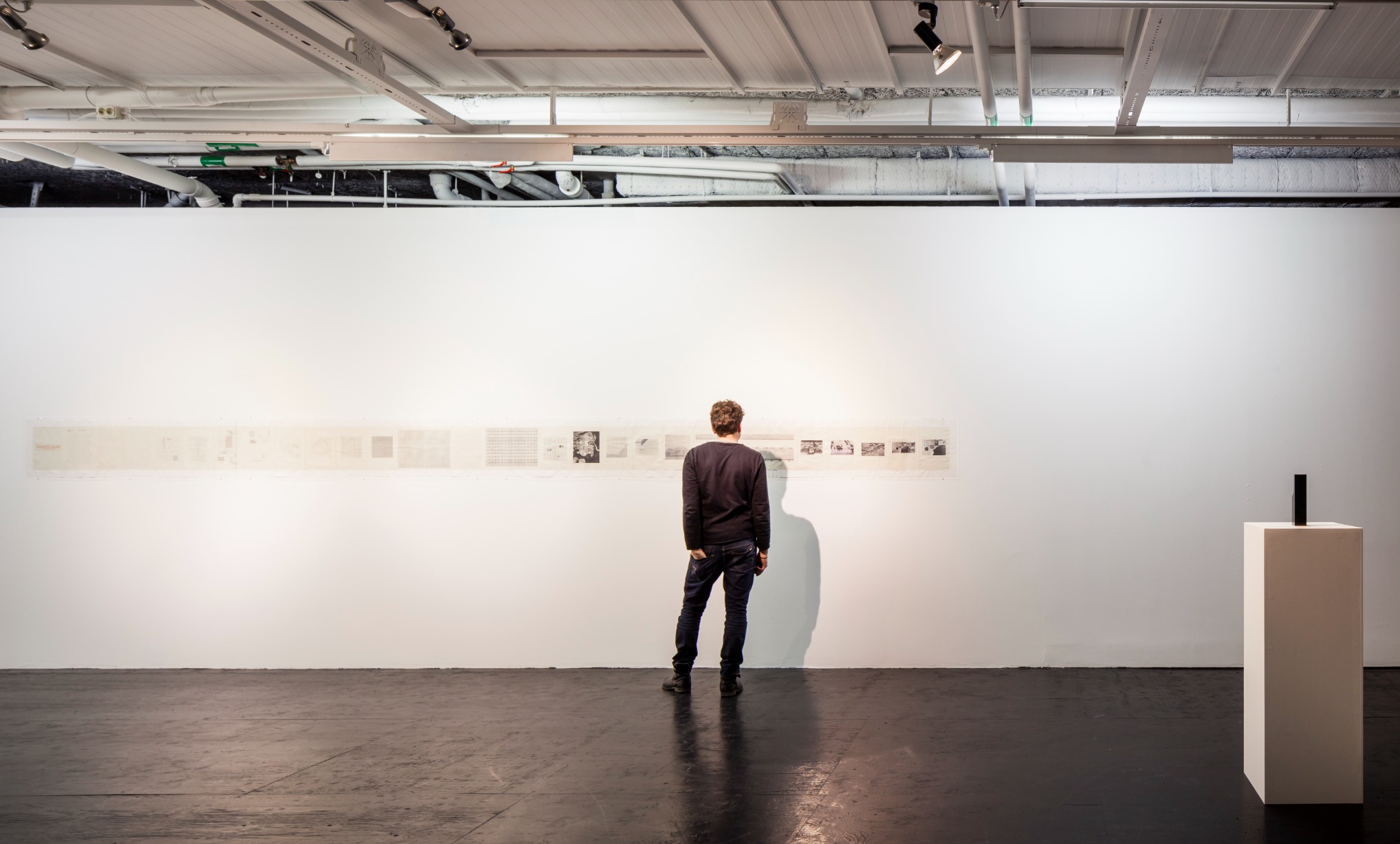
The exhibition focuses on the artists and architects who engage—often critically—with the legacy and aftermath of the modernist utopias that proposed a new society and a new human being. In other words, it concerns artists and architects who have developed alternatives, but also new languages and forms beyond the alternative. For art and the aesthetic experience offer opportunities to reevaluate the boundaries of society: after all, aesthetic problems cannot be solved in the social sphere, and vice versa.
The exhibition title can be seen as an indictment of a state that fails to provide a good life for its citizens. The rational society has, throughout modernity, transformed phenomena that halt the impulse to project clear images of the future if we wish to understand what freedom exists within and beyond the current society. However, the title also alludes to Robert Musil’s novel The Man Without Qualities (1930-42), where the protagonist allows society to shape his personality. In The Society Without Qualities, it is society rather than the individual that is willfully left without recognizable characteristics.
What happens if we refrain from producing the “better models” that have the capacity to change the existing society? What if we stop searching for the “beach beneath the asphalt,” as the slogan from the May revolt of 1968 claimed? What would engagement in historical processes and social struggles mean if art and architecture instead attempt to move into the future without historical baggage and cultural myths?
For more information about The Society Without Qualities, see the catalogue.
The Society Without Qualities
Participating artists: Søren Andreasen, Archizoom Associati, Thomas Bayrle, Samuel R Delany, Ane Hjort Guttu, Dave Hullfish Bailey, Jakob Jakobsen/Anders Remmer, Charlotte/Sture Johannesson, Jakob Kolding, Sharon Lockhart, Joanna Lombard, Palle Nielsen, Xabier Salaberria. Curator: Lars Bang Larsen
14.2—26.5 2013
The society without qualities takes its starting point from the time around the student revolts of 1968 and moves through the 1970s and 1980s towards positions within contemporary art and architecture. Subjects, questions, and problems that thematized discussions about freedom at that time are revisited, including militancy, the right to the city, and the child as an active subject.
Read more ↓
Read more ↓
On until
26.5 2013Opens
14.2 2013
26.5 2013Opens
14.2 2013
Tue-Fri 11-17